

Full Spectrum Infrared Sauna for Home: What to Look For
Buying a full spectrum infrared sauna for your home comes down to five things: the wavelengths it delivers, the EMF readings at the seat, the wood and build quality, the electrical hookup, and whether the size fits your room and the people using it. Get those right and you have a sauna that heats reliably, stays comfortable, and lasts for years. This guide walks through what to check before you spend, so you match the cabin to your space rather than to a sales page.
The short answer
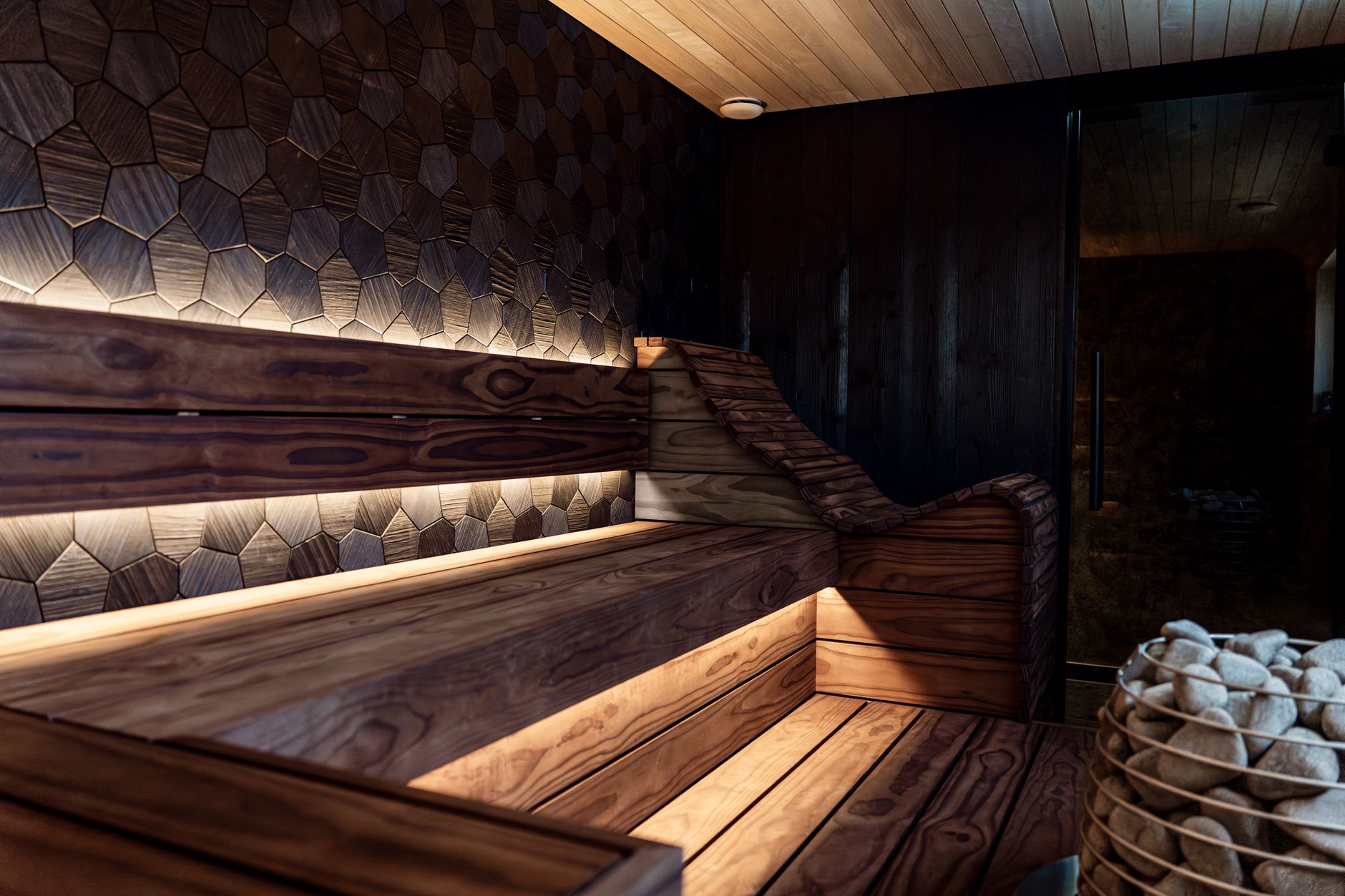
For a home full spectrum infrared sauna, prioritize a cabin that delivers genuine near, mid, and far infrared, publishes low EMF test results below 3 milligauss at the bench, and uses solid, low VOC wood like cedar or hemlock. Confirm the electrical requirement early, since most 1 and 2 person models run on a standard 120V outlet on a dedicated circuit, while larger units may need 240V. Measure your space with door swing and clearance in mind, and pick a size for the number of people plus a little room. Buy from an authorized retailer so the warranty is valid and the specs are verified. Match those points to your room and budget and you avoid the two most common regrets: a cabin that is too small or one whose heaters underperform.
Near, mid, and far: what wavelengths should it deliver?
Full spectrum means the sauna produces all three infrared bands, and that is the feature you are paying extra for, so confirm it is real. Far infrared creates the deep, gentle warming most people associate with infrared heat. Mid infrared targets soft tissue and circulation. Near infrared, usually from dedicated lamps, is the band studied for skin and surface applications.
Some cabins marketed as full spectrum only add a small near infrared lamp to an otherwise far infrared unit. Ask how each band is produced and how much coverage it gives at the seat. If you are still deciding whether full spectrum is worth it over far infrared alone, our explainer on near, mid, and far infrared and the comparison in full spectrum vs far infrared lay out the tradeoffs.
How much power and what outlet does it need?
Electrical setup is the detail home buyers most often overlook, and it shapes installation cost. Most 1 and 2 person full spectrum cabins are designed for a standard 120V outlet on a dedicated 15 to 20 amp circuit, drawing roughly 1,500 to 2,500 watts. That means many homes can plug in without an electrician, as long as the outlet is dedicated and you skip extension cords, which cause voltage drop and can void the warranty.
Larger 3 to 4 person models often want a 240V circuit for full heat output and faster warm up. Adding a dedicated 240V circuit typically runs a few hundred to around a thousand dollars with a licensed electrician, per current market estimates, so factor it in before you choose a bigger cabin. Our home sauna installation checklist covers the outlet, clearance, and floor checks to run before delivery day.
How big should a home full spectrum sauna be?
Size is about both the people and the room. A 1 person cabin suits solo use and tight spaces. A 2 person cabin is the most popular home choice because it fits a partner or gives one person room to stretch out and lie back. Three and four person units need real floor space and usually the bigger electrical hookup.
Measure the footprint plus clearance for the door swing and at least a few inches of airflow around the cabin. Check ceiling height and the path through doorways and stairs for delivery. A note on what we stock: Restore Suite does not currently carry an all-in-one full spectrum cabin, and every infrared sauna we sell is far infrared, so the sizing advice here applies to our cabins and to any full spectrum model you compare elsewhere. If two people will use it regularly, browse 2 person infrared saunas rather than squeezing into a 1 person box, and see one person saunas for solo setups. For the full range of options across sizes, the infrared saunas collection is the place to compare.
What does a home full spectrum sauna cost?
Prices vary with size, wood, heater quality, and electronics. As a current market guide, entry to midrange infrared cabins for 1 to 2 people run roughly $1,800 to $4,000, while premium full spectrum cabins for 2 to 4 people typically land between $5,000 and $10,000. Full spectrum sits at the higher end because the extra near and mid infrared emitters add cost.
Budget for the cabin plus any electrical work and delivery. Many buyers spread the cost with financing, and a home sauna used for wellness may be HSA or FSA eligible with the right documentation, which can lower the effective price. See our financing options and HSA and FSA guide for details. For a deeper price breakdown, read how much a full spectrum infrared sauna costs.
Who is a home full spectrum sauna right for?
Full spectrum makes the most sense if you want the broadest infrared experience in one cabin and plan to use it several times a week. It suits people focused on recovery, relaxation, and a regular heat habit who like the idea of near infrared for skin alongside the deep far infrared warmth. Athletes and home gym owners often value the recovery angle.
If your budget is tight or you only want the core deep heating, a quality far infrared cabin may serve you just as well for less, and that is the category we stock. Full spectrum is a comfort and feature upgrade, not a medical necessity. According to Mayo Clinic, infrared saunas are generally well tolerated, though larger studies are still needed to confirm specific health claims, so choose based on the experience you want rather than promises of a cure.
Frequently asked questions
Can I plug a full spectrum infrared sauna into a normal outlet? Most 1 and 2 person models plug into a standard 120V outlet, ideally on its own dedicated 15 to 20 amp circuit with no extension cord. Larger units may need a 240V circuit, so check the spec sheet before buying.
Is full spectrum worth the extra cost for home use? If you want near and mid infrared in addition to far infrared and will use the sauna regularly, many buyers find it worthwhile. If you mainly want the deep warming sensation, a far infrared cabin can deliver that for less.
How much space do I need? Plan for the cabin footprint plus door swing and a few inches of clearance for airflow, and confirm the delivery path through doorways. A 2 person cabin is the common home size and needs a modest corner of a room.
Does Restore Suite sell full spectrum infrared saunas? Not at this time. Every infrared sauna we carry is far infrared. If you are shopping now, compare the infrared saunas collection, or pick by size in 2 person infrared saunas and one person saunas. The sizing and electrical checks above apply to any brand you compare.
Written by the Restore Suite research team. We research every guide using peer-reviewed studies, recognized medical sources, and manufacturer specifications, and we work as an authorized retailer for the brands we carry. This article is educational and is not medical advice. Learn about our editorial standards or contact our team.